One could easily think that all items placed in a skip bin simply go straight into the landfill. However, this is not always true because there are occasions where the trip could take a while because of the type of contents the skip bin holds.
It could also be useful for homes and companies to have knowledge on how the process works since it would allow them to make wiser decisions regarding their waste management.
The Journey Starts When the Skip Bin Is Collected
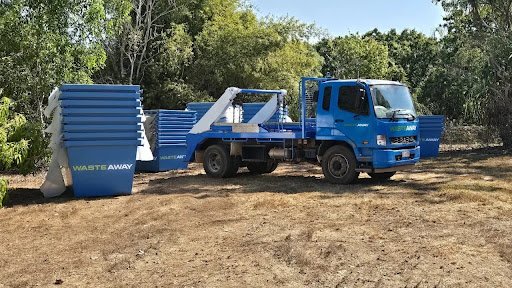
Once a skip bin is full, it is collected and transported to an appropriate waste management or processing facility. What happens next depends largely on the contents of the bin and the facilities available in the local area.
This is one reason it is important to choose the right bin for a particular project. A household decluttering job may produce very different waste from a bathroom renovation, garden clean-up or construction project.
At the receiving facility, the waste can be assessed and directed towards different processing streams. Materials that can be recovered may be separated from general rubbish, while unsuitable materials are handled according to applicable disposal requirements.
For people arranging a clean-up in the Northern Territory, working with a provider such as NT Waste Away can make the collection side of waste removal more straightforward.
It is also important not to place prohibited or hazardous materials into an ordinary skip bin. Items such as certain chemicals, asbestos-containing materials and other restricted waste may require specialist handling.
Waste Is Sorted Into Different Material Streams
The contents of a skip bin are rarely one uniform type of waste. A renovation, for example, might contain timber, cardboard, metal, plasterboard, bricks and other materials.
Sorting helps identify materials that may have a useful second life. Depending on the type and condition of the waste, common categories can include metals, timber, concrete and masonry, green waste, cardboard and general household rubbish.
Metal is one example of a material that can often be recovered and recycled. Concrete, bricks and other clean masonry may also have potential for processing and reuse in construction applications.
Timber can sometimes be recovered for reuse or further processing, while suitable green waste may be directed towards organic processing. Clean cardboard and other recyclable materials may also enter appropriate recycling streams.
The important point is that recovery depends on several factors. Material condition, contamination, available processing infrastructure and local waste requirements can all influence what happens to a particular load.
For customers in Palmerston planning a renovation, property clean-up or garden project, Palmerston skip bin options can provide a practical way to manage the waste generated during the project.
What Can Be Recycled, Reused or Recovered?
One of the most useful parts of modern waste management is finding value in materials that might otherwise be treated as rubbish.
Consider a renovation containing old metal fixtures, concrete pieces and timber. These materials may have different destinations after collection rather than being handled as one undifferentiated pile.
Metals can often be recovered and sent into recycling processes. Concrete and bricks may be crushed and processed into recycled materials for suitable applications. Depending on their condition and treatment, some timber products may also be recovered or processed.
Green waste can have another pathway. Where suitable facilities are available, branches, leaves and other organic material can potentially be processed into products such as mulch or other useful organic outputs.
The same principle applies to recyclable packaging and cardboard. Keeping recyclable materials clean and free from contamination can make recovery easier, although the exact process varies between facilities and regions.
This is why responsible waste management begins before the bin is even collected. Choosing the appropriate bin, following the provider’s accepted-waste requirements and keeping restricted materials out of the load can all help improve the chances of useful materials being recovered.
What Happens to Waste That Can’t Be Recovered?
Not everything is able to be recycled or recovered at this point in time. Certain items are contaminated, broken, or simply not able to be processed by any existing recycling facilities.
When residual waste cannot be recovered, it will have to end up in a landfill in the end. Landfill can therefore be seen as the last step in the process of waste management rather than the ultimate resting place for everything that goes into a skip bin.
The amount that reaches this stage can be influenced by how waste is handled throughout the process. Better separation, appropriate disposal and improved recovery systems can help reduce unnecessary landfill use.
For customers, the simplest step is to think about waste before filling the bin. Knowing what materials are accepted, avoiding prohibited items and selecting a suitable bin for the project can make the entire disposal process more efficient.
A Skip Bin Is More Than a Place to Put Rubbish
The moment a skip bin goes off the customer’s site, there is a next phase of the waste journey. Depending on the types of waste, some will be recycled, while others may be reused or processed.
What will happen will depend on what the wastes are and what waste management systems the area provides. In all cases, the customer needs to take responsibility through making wise decisions during the collection process.
Preparation for the clean-up should begin with selecting the right type of skip bin and knowing the things that should go into it.