


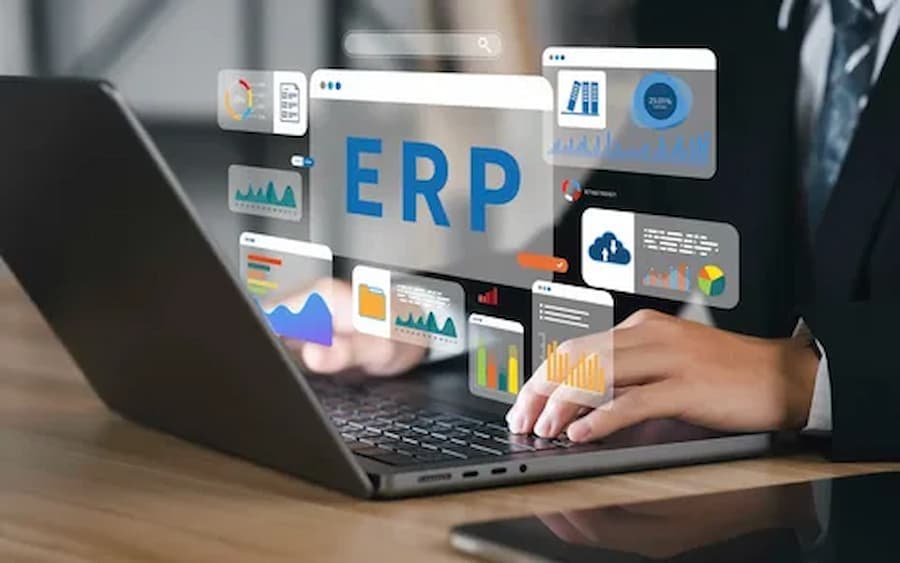
Dealing with an expanding company can get tough fast. Teams handle sales, finance, inventory, consumers, staff, and daily activities all at once. Errors and bottlenecks may readily occur if this data sits in different systems. Dynamics Microsoft ERP solutions can bring key corporate processes together in one linked environment. This improves team visibility and enables decisions based on current information. Businesses can establish a more orderly approach to daily operations and support long-term development, rather than moving between several tools.
Compiles business information
A major advantage of an ERP system is its centrally organised data. Connected data is available to finance teams, salespeople, warehouse workers, and management personnel. This lessens the need to input the same data into several systems. A sales order, for instance, might change financial data and inventory levels. Staff need not manually perform the same work again. Furthermore, consistent data helps to minimise disparities. Everyone is operating from the same basic facts. This simplifies daily operations and gives company leaders a better sense of what the whole organisation is seeing.
Enhances Financial Control
Every company runs on finance. An ERP system can help businesses manage financial procedures more effectively. Teams can monitor payments, costs, invoices, budgets, and other financial data in one place. Automated systems can help reduce redundant data entry. They can also enable teams to identify unreported information or transactions faster. Financial reports help managers to evaluate company performance. They can spot areas that need attention by comparing real results to plans. Better financial transparency lets companies handle their resources more efficiently and inspires more confident planning.
Simplify Inventory Management
Bad stock management can upset customers and waste cash. Excessive stock uses up space; too little can result in missed sales. An ERP system can help to see inventory levels more clearly. Teams can track products as they move through purchasing, storage, sales, and distribution. When needed, companies can also track inventory across multiple locations. This helps identify popular items and slow movers. Better inventory data helps businesses make smarter buying decisions. It also helps reduce the risk of running out of crucial goods.
Improves Customer Management
People expect companies to react fast. Good service requires that staff have access to correct knowledge. ERP systems can link customer data with different company activities. Sales teams can more easily access relevant orders, account information, and transaction data. This gives every consumer a more holistic view. Staff members will feel more confident answering inquiries. They can also track orders and spot potential issues sooner. Improved consumer data can simplify the entire experience, from first inquiry to after-sales support, and enable better communication.
Helps You Make Better Decisions
Reliable data is essential for business leaders’ decision-making ability. ERP systems may convert operational information into insightful reports and dashboards. Managers can track sales, expenses, inventory levels, financial results, and other crucial indicators. This lessens the dependency on assumptions. A manager could, for instance, find that one line of goods is growing faster than predicted. They can examine the trend and modify marketing or buying strategies. Real-time or often updated data enables companies to react more quickly as events evolve. The result is a more sensible way of running a business.
Automates Repetitious Chores
Often, workers spend too much time on mundane paperwork. ERP systems can automate much routine work. For chores like invoicing, order processing, approvals, reporting, and stock changes, companies may build automated procedures. Automation reduces the risk of human error and lessens physical effort. It also gives staff more time to focus on creative and judgment-based work. Automation doesn’t eliminate the need for humans. Instead, it lets staff spend more time helping customers and meeting business goals, and less time on routine tasks.
Encourages Business Expansion
A tiny company’s system could not scale as effectively as the company grows. More consumers, staff members, goods, sites, and activities create more management challenges. A Microsoft ERP system can provide an organised foundation for growth. Instead of installing new systems each time operations get more complicated, companies can connect more processes. Integration can also help departments work together. Better data helps managers plan resources, spot opportunities, and respond to shifting consumer demands as the company expands. When core systems align, growth becomes more manageable.
Conclusion
By linking data, strengthening financial control, improving customer management, and simplifying inventory processes, Microsoft ERP can enable better business management. It can also take care of monotonous chores and provide managers with improved data for major decisions. The biggest advantage comes from having connected processes rather than isolated systems.
Visit Mangabat for more informative blogs.