


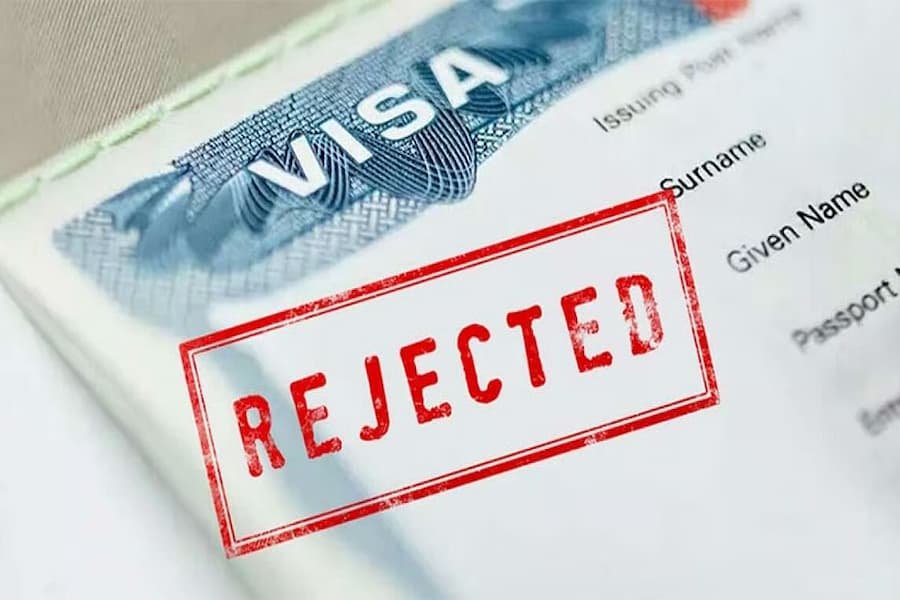
A denied settlement application could cause you anxiety. You could have spent months going through requirements and drafting paperwork. But a rejection doesn’t always signal the death of your ideas. The next steps depend on your grounds for rejection and the options available to you. Settlement applications UK can have strict criteria; therefore, you must know what went wrong before acting. You might need to request a review, consider an appeal, or prepare a new application.
Go through the Refusal Letter
First, thoroughly review the refusal letter. It should explain why your application was refused. The cause might be eligibility issues, missing evidence, incorrect information, or an inability to meet a particular requirement. Read every point instead of concentrating on only one subject. Make a short list of the reasons provided.
This will enable you to grasp the circumstances more precisely. Additionally, review the letter’s dates and directions. They might tell you whether you can challenge the ruling and how much time you have to act. Pay attention to the letter and avoid unjustified delay. First, you must find the proper answer by trying to understand the rejection.
Make Sure Of Your Possibilities
Your next steps will depend on the type of application and the decision you received. Depending on your situation, you could be able to ask for an administrative review or challenge the decision. See the rejection letter for precise guidelines. It ought to say whether you may challenge the ruling. Pay special attention to any deadline.
Failing a deadline could limit your choices. Don’t assume you have plenty of time. If the wording is ambiguous, think about asking a professional immigration expert for assistance. Knowing your alternatives early might keep you from going the wrong way.
Check For Any Mistakes
A rejection might occasionally be caused by a mistake in the way your application was evaluated. Evaluate the grounds in the decision against the paperwork and information you filed. Think about whether the ruling really took your information into account. Maybe a vital document was missed.
Perhaps data was misinterpreted. How a certain need was applied might also cause problems. If you think there was a mistake, explain it precisely via the proper review or appeal process. Stay away from generalised grievances. Focus on specific details and support them with data where feasible. A well-structured and explicit explanation helps assessment a great deal.
Consult Experts
Immigration regulations could be complex. A minor element can occasionally greatly influence an application. An immigration solicitor or qualified adviser can review your refusal letter and supporting documents. They can review your options and help you decide whether a new application, review, or appeal is appropriate. Professional guidance can be very helpful if your situation is complex.
Imagine a Brand-New Application
A fresh application might be appropriate if you can fix the initial issue. You might have, for instance, neglected to present enough proof or misinterpreted a certain need. But submitting another application without addressing the first rejection can have the same outcome. Go over every reason for rejection first. Then point out what has changed or what other proof you can offer. Before applying again, make sure you satisfy all applicable standards. Be patient as you prepare papers. Verify that facts are correct and consistent throughout the program. A thoroughly prepared application could be far more powerful than a hurried one.
Confirm Your Immigration Status Right Now
A rejected settlement application does not automatically entitle you to disregard your existing immigration status. Verify the conditions and expiration date of your current consent. Find out what the rejection says about your present situation and what you have to do. Do not imagine that sending in yet another application will automatically safeguard your immigration status. If you have access to a review or appeal, review how it could impact your situation.
Conclusion
Though disheartening, a denied UK settlement application does not always spell the end of your immigration goals. Start with knowing the rejection. Examine your choices and deadlines. Check closely for potential mistakes and, if circumstances are difficult, seek professional guidance. If a new application is appropriate, address the initial issues before reapplying.
Visit Mangabat for more informative blogs.