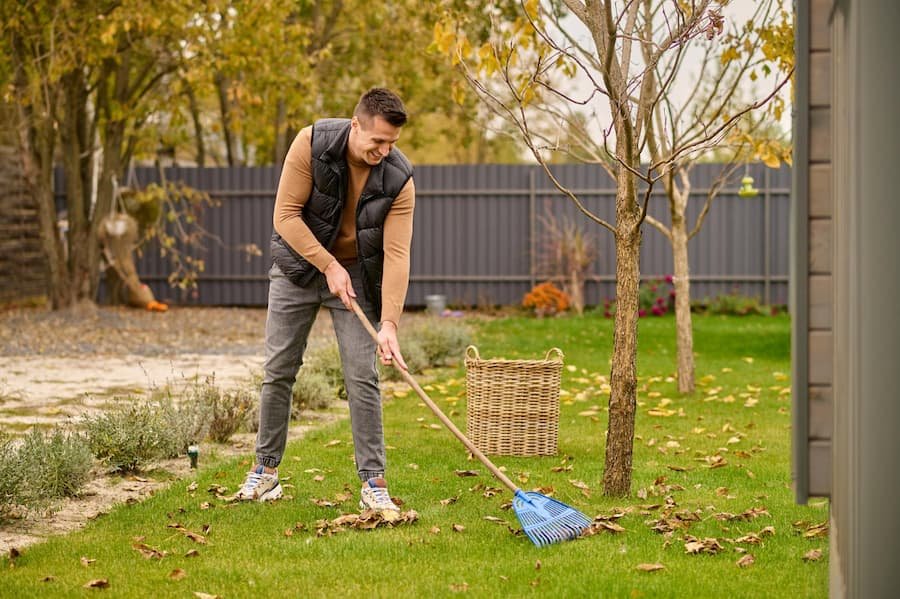
Beginning with excitement and ending in weariness are common outcomes for garden cleaning activities. What started as a weekend of mild pruning can soon turn into a hill of old pots, broken furniture, soil bags, and green waste. Without an organised disposal strategy, debris accumulates for weeks, impeding access and drawing vermin. Domestic garden projects are ideally suited for a Tiny Skip.
It has low sides, which makes it simple to load, is often 2–4 cubic yards in size, fits on tiny driveways, and does not need a council permit (when placed on private land). A skip gathers everything at once, saving time, gas, and back pain, as opposed to many journeys to the local dump. This guide details practical ways a small skip helps clear gardens in the UK.
Manages A Variety Of Garden Garbage With Ease
It is unusual to find only one sort of garbage when clearing a garden. You’ll have soil and rubble from removing flowerbeds or old paving, plastic from old compost bags, shattered pots and trays, and occasionally metal from rusty tools and wire trellises. You don’t have to separate waste into several piles or travel to the tip many times, since all these materials may be mixed in a little skip.
The garbage will be sorted by the skip rental business at their transfer station, with inert trash going to aggregate recycling, wood to biomass or panelboard production, and green waste to composting facilities. In addition to being environmentally friendly, combined loading is practical for the house.
Eliminates Several Tip Runs
Three to ten car bootloads of waste are produced by the typical garden cleanout in the UK. (loading, driving, queuing, unloading, and returning) takes at least an hour for each tip run. For a five-load project, that amounts to a full day just spent travelling. Every trip run is eliminated by a little skip. Over the course of a day or two, you can load garbage directly into the skip at your own speed. When it’s complete, ask for a collection.
The skip firm takes care of all transportation and removal. For anyone with limited mobility, no access to a large car, or simply appreciating their weekend time, the convenience is revolutionary. A skip’s cost is frequently similar to the fuel and tip costs of numerous vehicle journeys, without the physical effort of loading and unloading at the tip.
Offers A Central, Contained Loading Area
Garden waste accumulates in stacks, bags, or is dispersed across the grass without a skip. This generates trip hazards, impedes wheelbarrow movement, and is unappealing to the eye. The central collection place is a skip. It is placed adjacent to the work area, on a driveway, hardstanding area, or on soil if protected by boards. As you dig, prune, or dismantle, rubbish goes straight into the skip. No twice handling.
No mounds that need to be bagged in the future. Additionally, this containment keeps the workspace neat and keeps green trash from drifting over adjacent gardens. A safe area is a clean space. The garden is ready for planting, paving, or simply enjoying once the skip has been collected.
Lowers The Risk Of Injuries And Physical Effort
Repeated bending, lifting, and twisting are required while loading a car trunk. The weight of one bag of soil is between 20 and 25 kg. A recipe for back damage is a full vehicle trunk with such bags, along with equipment and branches. A tiny skip features low sides (often 2-3 feet high), enabling you to approach it and dump rubbish directly over the edge.
There is no lifting to waist height. The skip can be pushed near the job site, which will shorten the distance the items need to be carried. Two people can work together to lift heavier goods, such as damaged paving slabs or old fence posts, or they may utilise a wheelbarrow ramp. Your weight, not your spine, is collected by the skip hiring business. Investing in a skip is good for your health.
Conclusion
Garden clearance initiatives are made easier by a little skip, which efficiently handles mixed garbage, eliminating trips to the tip, acting as a central loading point, alleviating physical burden, controlling invasive plants, fitting tight access limits, and allowing for the correct disposal of chemicals. The eight sites mentioned above demonstrate that a little skip is more than just a container; it’s a tool that can turn a physically challenging and time-consuming project into a manageable weekend assignment.
For UK gardeners dealing with pre-sale tidying, post-storm clearance, or overgrown plots, a Little Skip is the most sensible purchase. It safeguards the future of your garden, your time, and your back. Purchase one, fill it, and observe the change in your outside area. It’s never been easier to get clearance.
Visit Mangabat for more informative blogs