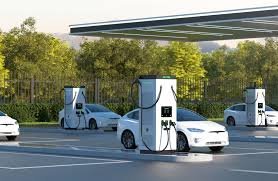
As electric vehicles (EVs) become increasingly popular, having a reliable and efficient charging solution at home is essential. A smart home EV charger offers convenience, energy efficiency, and advanced features that make charging your vehicle safer and more cost-effective. With the rise of EV adoption, homeowners are seeking smart chargers that integrate seamlessly into modern households while providing intelligent monitoring and control.
Why Choose a Smart Home EV Charger
Smart home EV chargers offer numerous advantages compared to traditional chargers. They not only deliver faster charging times but also provide enhanced safety features such as overload protection and temperature monitoring.
One of the key benefits is remote control and scheduling. Most smart chargers allow users to monitor charging sessions, set charging times during off-peak electricity hours, and track energy consumption through a smartphone app. This helps reduce electricity costs and ensures that your EV is always ready when you need it.
Additionally, smart home EV chargers are designed to be user-friendly and durable, often featuring weatherproof designs for indoor and outdoor installation.
Types of Smart Home EV Chargers
There are several types of smart home ev charger available, catering to different household needs:
Level 1 Chargers
Level 1 chargers use a standard household outlet (120V) and are typically slower, providing basic charging functionality. They are suitable for overnight charging and light daily use.
Level 2 Chargers
Level 2 chargers operate on a 240V circuit, offering faster charging speeds and more advanced features. These chargers are ideal for homeowners who need quicker turnarounds for daily use.
Wi-Fi or App-Enabled Chargers
Wi-Fi-enabled smart chargers allow you to monitor and control charging remotely through a mobile app. You can schedule charging, track energy usage, and receive notifications about the charging status.
Solar-Compatible Chargers
For eco-conscious homeowners, some smart home EV chargers can integrate with solar panels, allowing you to charge your EV using renewable energy and reduce electricity bills.
Key Features to Look for in a Smart Home EV Charger
When selecting a smart home EV charger, consider the following features:
- Charging Speed: Choose a charger compatible with your EV and your household electrical system.
- Connectivity: Wi-Fi or Bluetooth connectivity enables remote monitoring and control.
- Safety Features: Look for overload protection, surge protection, and temperature monitoring.
- Compatibility: Ensure the charger supports your EV model and plug type.
- Installation Options: Indoor or outdoor installation flexibility and professional installation support.
Benefits of a Smart Home EV Charger
Investing in a smart home EV charger offers multiple advantages:
- Faster Charging: Level 2 smart chargers reduce charging time significantly compared to standard outlets.
- Cost Efficiency: Schedule charging during off-peak electricity hours to save on energy costs.
- Remote Monitoring: Track and control charging sessions from anywhere using a smartphone app.
- Enhanced Safety: Smart features prevent overcharging, overheating, and electrical issues.
- Environmental Benefits: Solar-compatible chargers enable eco-friendly energy use.
Installing a Smart Home EV Charger
Proper installation is essential to ensure safety and optimal performance. Most smart home EV chargers require a dedicated 240V circuit for Level 2 charging. Professional installation by a licensed electrician is recommended, as it ensures compliance with electrical codes and maximizes charging efficiency.
Placement is also important. Choose a location that is convenient for daily use, preferably close to where the vehicle is parked. Outdoor chargers should be weatherproof to withstand rain, dust, and extreme temperatures.
Trends in Smart Home EV Chargers in 2026
With the rise of EV adoption, smart home chargers are evolving to meet modern needs:
- Integration with Smart Home Systems: Chargers now connect to home automation platforms for seamless energy management.
- Energy Monitoring: Advanced analytics allow homeowners to track electricity usage and optimize energy consumption.
- Faster and Portable Chargers: Compact, high-speed chargers are becoming more popular for convenience.
- Sustainability Focus: Solar integration and eco-friendly designs are trending among environmentally conscious users.
FAQs
- How fast can a smart home EV charger charge my car?
Level 2 chargers can fully charge most EVs in 4 to 8 hours, depending on the battery size and charger output. - Can I install a smart home EV charger outdoors?
Yes, most smart home EV chargers are weatherproof and designed for outdoor installation, but proper placement and professional installation are recommended. - Do smart chargers save money on electricity bills?
Yes, by scheduling charging during off-peak hours and monitoring energy consumption, smart chargers can help reduce electricity costs.
Conclusion
A smart home EV charger provides an efficient, convenient, and safe solution for electric vehicle owners. With faster charging, remote control, energy monitoring, and compatibility with modern smart home systems, these chargers represent the future of EV charging. Investing in a smart home EV charger ensures your vehicle is ready when you need it while optimizing energy usage and promoting sustainability. For homeowners looking to combine technology, efficiency, and convenience, a smart home EV charger is an essential addition to any modern household.