


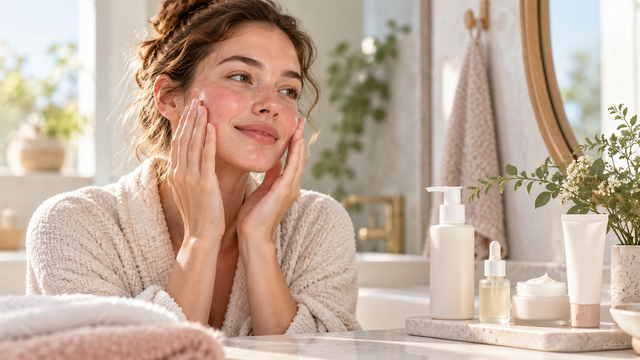
Creating a Skincare Routine for Sensitive Skin can feel hard when your face becomes red, dry, itchy or irritated after using skincare products. Sensitive skin often reacts to fragrances, harsh cleansers changes in weather and certain active ingredients. Choosing the products and following a consistent routine can help keep the skin barrier healthy improve moisture and reduce unwanted irritation.
A good skincare routine does not have to include products or complicated steps. In cases a gentle cleanser, a suitable moisturizer and daily sun protection provide a good base. People who have inflammation or skin conditions such as lichen planus may also need advice from a qualified healthcare professional.
This guide explains how to create a morning and evening skincare routine find ingredients that may cause irritation and understand how gentle skincare relates to natural treatment approaches. It also discusses Natural Treatment for Lichen Planus Herbal Remedies for Lichen Planus and how to check products from brands such as Herbal Care Products without making promises about skin health.
What Is Sensitive and Irritated Skin?
Sensitive skin describes skin that reacts easily to products or conditions in the environment. Common signs include redness, dryness, itching, burning, stinging, tightness and flaking. These signs may show up after using a product or develop over time after repeated use.
Several things can cause skin sensitivity including:
- A skin barrier that allows moisture to escape.
- Fragrances, oils or harsh cleaning ingredients.
- Much exfoliation or frequent use of active skincare products.
- Cold weather, dry air, heat or strong sunlight.
- Allergic reactions to ingredients.
- Skin conditions such as eczema, rosacea or contact dermatitis.
It is important to know that sensitive skin is not a diagnosis. Ongoing irritation might mean an underlying condition that needs help.
Lichen planus is another condition that can affect the skin, mouth, scalp, nails or genital areas. It is different from sensitivity and may cause purple itchy bumps or other changes depending on where it is. If you think you have lichen planus get a checkup instead of relying only on skincare products.
Why a Skincare Routine for Sensitive Skin Matters
The skin barrier helps keep moisture in and protects the body from irritants. When this barrier is damaged the skin may lose water easily and react more strongly to products.
A planned Skincare Routine for Sensitive Skin aims to support this protective barrier rather than add too many ingredients.
A regular routine can help you:
- Keep your skin comfortable and hydrated.
- Reduce contact with things that may cause irritation.
- Protect your skin from the sun.
- Find products that cause reactions.
- Build habits that help your skin stay healthy in the run.
Skincare cannot promise that redness, itching or inflammation will go away. The best routine depends on your skin type, symptoms and any medical condition you have.
Step 1: Cleanse Gently in the Morning
Cleaning takes away sweat, oil and residue that build up on your skin overnight. For skin the goal is to clean without taking away the natural oils that help keep the skin barrier strong.
Choose a fragrance-free cleanser made for sensitive skin. A creamy or lotion-based cleanser may be good for skin while a gentle gel cleanser may work for combination skin.
How to cleanse skin
- Wet your face with water.
- Put an amount of cleanser on your fingers.
- Gently massage without scrubbing or using tools.
- Rinse well.
- Dry your face with a clean towel.
Avoid water, rough towels and rubbing. These habits can make dryness and discomfort worse.
If your skin is very dry washing with water in the morning may be enough. Clean deeply in the evening to remove sunscreen, makeup and daily buildup.
Step 2: Apply a Gentle Moisturizer
Moisturizing is one of the important parts of a Skincare Routine for Sensitive Skin. A good moisturizer helps stop water loss, smooth dry patches and support the skin’s barrier.
Look for products without fragrance that have ingredients such as:
- Glycerin: Helps bring water to the layers of skin.
- Ceramides: Help keep the skin barrier strong.
- Petrolatum: Helps stop water loss.
- Hyaluronic acid: Helps bring in. Hold water.
- Dimethicone: Makes a layer that can stop water loss and feel smooth.
You don’t need all these ingredients in one product. Choose a moisturizer that feels good and does not cause burning or more redness.
People with skin may like a cream while those with oily or combination skin may prefer a lighter lotion. Apply moisturizer when your skin is still a little wet to help keep moisture.
If a moisturizer keeps causing burning, swelling, itching or a rash stop using it. Get help.
Step 3: Use Sunscreen Every Morning
Sun protection is important even if your skin is sensitive. UV rays can cause aging, sunburn and other damage. Sun exposure can also make pigmentation worse in some skin conditions.
Choose a broad-spectrum sunscreen with SPF 30 or higher. A fragrance-free mineral sunscreen with zinc oxide or titanium dioxide may be helpful if other formulas irritate your skin.. People react differently and some mineral sunscreens can feel dry or leave a white cast.
Tips for comfortable sun protection
- Apply sunscreen as the step in your morning routine.
- Use enough to cover all exposed skin.
- Reapply every two hours when outside and after swimming sweating or drying with a towel.
- Wear a brimmed hat and stay in the shade when the sun is strong.
- Test a sunscreen carefully if your skin is reactive.
Do not think that a product labeled as natural or mineral will automatically be safe. The whole formula is more important than one part.
For people with marks after skin inflammation regular sun protection can help stop more darkening and help manage uneven skin tone.
Step 4: Keep Your Evening Skincare Routine Simple
Your evening routine removes the products, dirt, sunscreen and residue from the day. It is also a time to get moisture back.
A basic evening routine can have three steps.
1. Remove sunscreen and makeup
Use a cleanser or a fragrance-free makeup remover. If you wear makeup or water-resistant sunscreen you may need a first step to clean. Do not wash your face over and over to get it completely dry or squeaky clean.
2. Cleanse without scrubbing
Use water and a gentle cleanser. If your skin feels tight or uncomfortable after think about using intense cleansing or checking the ingredients in the cleanser.
3. Apply moisturizer
Use a moisturizer that helps with dryness without causing discomfort. If your skin is very dry a richer cream may be better.
Avoid adding new products at once. A simple routine makes it easier to tell which product may cause a problem.
Step 5: Avoid Common Skincare Ingredients That May Irritate Your Skin
skin does not react to all ingredients the same way. Still some ingredients and practices are often the cause of irritation.
Fragrances and essential oils
Fragrance can cause irritation or an allergic reaction in some people. Essential oils, like lavender, peppermint and citrus oils are not always safe just because they come from plants.
Choose products without fragrance. Remember that fragrance-free and unscented are not the same. An unscented product may have ingredients to cover up smells.
Strong exfoliants
Using acids, scrubs or brushes too often can damage the skin barrier or make things worse. Avoid exfoliation when your skin is inflamed, peeling or uncomfortable.
Retinoids and other active ingredients
Retinoids, benzoyl peroxide and some exfoliating acids can cause dryness or stinging especially if you start quickly. These ingredients can still be helpful for problems but they should be added slowly and with help from a professional if needed.
Alcohol-heavy formulas
Some products with amounts of alcohol can make dryness or discomfort worse. But not all alcohols are the same; some like cetyl alcohol can help soften and keep moisturizers stable.
The best way is to check the list of ingredients and see how your skin reacts instead of judging by one part alone.
Step 6: Patch-Test New Skincare Products
Patch testing helps you see if a new product causes a reaction before you use it all over.
To test a product at home put an amount on a small area like your inner arm following the products instructions. Repeat as needed over a days if the product is for regular use and watch for redness, itching, swelling or burning.
A home patch test cannot stop every reaction or say for sure the product is safe for your face. If you have a history of skin reactions ask a dermatologist about proper testing.
Try one new product at a time. This makes it easier to find out what causes a problem and build a Skincare Routine for Sensitive Skin that works for you.
Step 7: Understand Natural Treatment for Lichen Planus
People with skin sometimes look for Natural Treatment for Lichen Planus because they want gentle products or to reduce discomfort.. Lichen planus is an inflammatory condition and natural skincare products have not been proven to cure it.
The right treatment depends on the type of lichen planus and the parts of the body that are affected. A doctor may suggest prescription creams or other treatments based on the diagnosis and how bad the condition is.
Gentle care for the skin can help make the skin feel better when it is dry or sore. It should not take the place of medical care.
Things you can do to help keep the skin comfortable
Use soaps and lotions that do not have a smell.
Do not. Rub the areas that are affected.
Wear clothing if the skin has sores on the body.
Keep skin that is exposed to the sun from getting much sun.
Stay away from things that may cause a reaction and from products.
Follow the plan that a doctor gives you for treatment.
If you get mouth sores problems in the genital area changes on the scalp damage to the nails or a lot of itching see a doctor. These problems may need more than a face care routine.
Step 8: Think Carefully About Using Herbal Treatments for Lichen Planus
Some people want to try treatments because they want something softer than regular products. However there is not proof that herbal products work for lichen planus. No herbal treatment should be seen as a way to get better.
Plant-based items can still cause a problem or an allergic reaction. Some oils, plant extracts and scented items can make the skin worse.
Before using a product with herbs:
- Look at all the parts that’re in the product.
- Stay away from things that have made your skin react before.
- Do not put something that has not been tested on sores or skin that is damaged.
- Ask a doctor about problems if you take other medicines.
- Stop using the product if things get worse.
Be extra careful when putting products in the mouth near the eyes or on the skin in the genital area. These places might need care and products for regular skin might not work.
The word natural only means where something comes from not if it’s safe or works well. It is better to be careful and use what is proven of what the ads say.
Step 9: How to Pick Products That Come From Plants
When looking for plant-based products for your skin think about what each product does what is in it and if it is right for your skin.
The name of a product or the way it is made does not mean it works for skin or lichen planus. Read the label. Follow the directions especially if your skin is inflamed.
What to look for in a product
Clear list of ingredients: Choose products that show exactly what is in them so you can avoid things that might cause problems.
Right use: Make sure the product is for the face or another area. Do not think that a cream for skin is safe for the eyes or mouth.
Realistic claims: Be careful if a product says it cures lichen planus removes skin color or promises results without proof.
Fit with your routine: Do not add too many new products at once. A simple routine with a cleanser, a moisturizer and sunscreen is often better than treatments.
Advice from a professional: If you have a skin problem or take medicine ask a doctor or pharmacist if it is safe for you.
Products from plants might be something you want to try. Each one needs to be looked at on its own. No product can be said to work for lichen planus without proof about it.
Step 10: Help Your Skin Stay Healthy with Daily Habits
Products for your skin are part of making your skin feel better. Things you do every day can also help with dryness, irritation and how easy it is to follow a routine.
Drink water
Drink fluids as you need. Drinking water does not always make dry skin better but staying healthy helps your body.
Avoid much heat
Hot showers and too much time in the sun can make dry skin or itching worse. Use water and avoid rubbing.
Choose clothes
Soft and breathable clothes can help reduce rubbing on skin that is sore. Wash your clothes with a soap that’s good for you and think about using unscented laundry items if you think you are sensitive.
Try to manage stress
Stress can change how you sleep, your habits and the way your skin feels. Relaxing, moving your body and getting sleep can help you feel better but they are not a cure for skin problems.
Keep a record of your skin care
Write down the products you use when symptoms happen and if your skin gets better or worse. A record can help you see what makes your skin worse. Can help when you talk to a doctor.
Step 11: Common Mistakes to Avoid
good habits can make sensitive skin feel worse. Avoid these mistakes:
Using many products: Putting on many serums, exfoliants and treatments can make it more likely to have a reaction.
Changing products too often: Moving from one product to another makes it hard to see what works or what causes problems.
Rubbing skin that is sore: Rubbing can make redness, swelling and pain worse.
Forgetting to use sunscreen: Sun can make things worse. Change the color of your skin.
Trying home remedies that are not proved: Things like lemon juice, undiluted oils and strong cleaning stuff can hurt your skin.
Stopping medicine without talking to a doctor: If a medicine makes you uncomfortable or does not work, talk to a doctor of changing it on your own.
Thinking every rash is from skin: Long or strange symptoms might need a real look by a doctor.
A Simple Daily Skincare Routine for Sensitive Skin
Here is a routine you can change to fit your needs.
Morning routine
- Clean your face gently with water and a mild soap if needed.
- Put on a moisturizer that does not have a smell.
- Use a sunscreen with broad-spectrum protection that’s at least SPF 30.
- Wear clothes that protect you when you are outside.
Evening routine
- Take off makeup and sunscreen gently.
- Clean your face without rubbing.
- Use a moisturizer that’s right for your skin.
- Use treatments that a doctor told you to use.
Weekly things to do
Look at how your skin’s reacting to the products.
Do not use much scrubbing.
Check the label before you try something
Wash cloths that you use on your face often.
See a doctor if your skin is still sore or getting worse.
It is better to be regular than to be complicated. You do not need a routine to take care of sensitive skin.
Frequently Asked Questions
1. What is the best way to care for skin?
A simple way usually has a soap, a moisturizer that does not have a smell and sunscreen that works well. Avoid scrubbing and add new products slowly. Your best way depends on your skin and any problems you have.
2. Should I wash my skin twice a day?
Many people do well with washing in the morning and evening. Very dry or sensitive skin might need to wash less in the morning. Wash at night to take off makeup, sunscreen and anything else that builds up.
3. Can natural items help my skin feel better?
Some products with things like oatmeal may help dry or itchy skin.. Things from plants and oils can also cause a reaction. Be careful. Talk to a doctor if you are still having problems.
4. Can natural treatments help with lichen planus of medicine?
No. Natural skin care can help with feeling better. It is not a substitute for the right treatment for lichen planus. Talk to a doctor about choices for you.
5. Are herbal treatments safe for everyone?
No. Herbs can cause a problem a reaction or mixing with other medicines. Safety depends on what’s in the product how much there is, how it is made and where it is used. Talk to a doctor especially if you have sores.
6. How long does it take for skin to get better?
Some people feel better within days of using a routine but making dry skin better or managing a skin problem might take longer. Improvement depends on what’s causing the problem how often you use the products and if they are good for you.
7. When should I see a doctor?
Go to a doctor if redness, itching, pain, swelling or peeling lasts gets worse or comes back. It is very important to see a doctor if you have sores if your eyes are affected, if there are problems in the mouth or genital area if there are signs of an infection or if your skin, hair or nails change in a way.
Conclusion
Making a skin care routine for skin starts with knowing what your skin needs and removing things that can cause problems. A gentle soap, a moisturizer, daily sunscreen and adding new products carefully give a good base for daily care.
People who want to try treatments for lichen planus or herbal treatments for lichen planus should know that these are not the same as medical treatment. Natural and herbal items are not always safe. They should not be used as a sure way to fix skin problems.
When looking at products check the ingredients avoid claims that are not true and talk to a doctor if you have problems that do not go away or if you have a skin problem. With a regular routine and the right help from a doctor when needed you can make better choices, about taking care of sensitive and sore skin.