


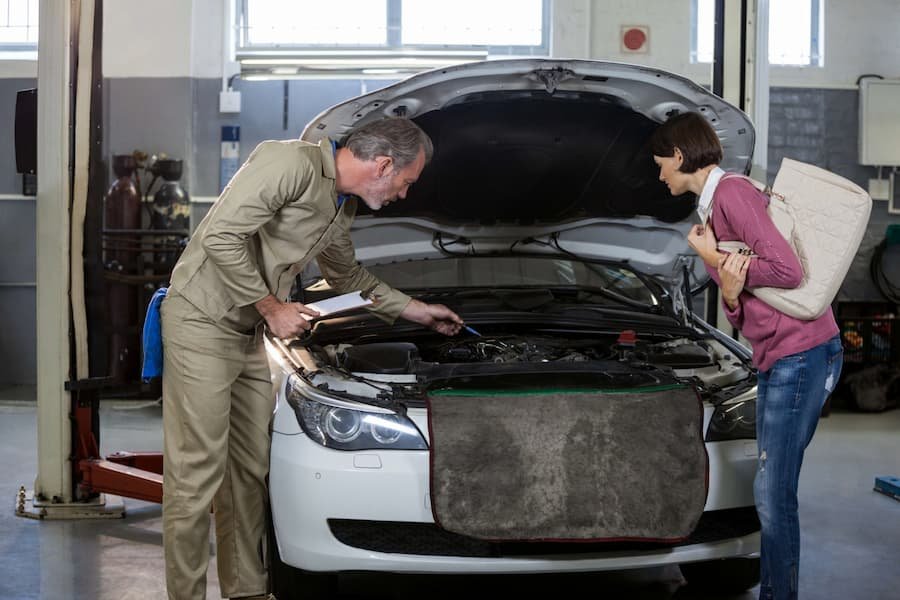
Visible damage after an accident often reveals only part of the picture. A small dent or scratch might hide damaged safety systems, compromised structural integrity, or misaligned sensors that might prevent your car from protecting you in a future collision. Driving with concealed damage is risky and dangerous. Anything that affects the structure, safety features, or handling of your vehicle, such as a little scratch, may be acceptable to disregard, but anything else requires the assistance of a professional. You may protect your safety, keep the value of your automobile, and prevent more expensive repairs down the road by understanding when to get professional car body damage repair.
Clear Harm: When Scratches and Dents Indicate More Serious Issues
Not all obvious damage is solely aesthetic. A little dent might conceal a bent frame rail or a shattered structural element underneath the trim. If the panel gaps between the doors, bonnet, and boot on your car look uneven or off-centre after a collision, it typically suggests the vehicle’s underlying structure has moved. Also, address scratches and chips in the paint right away. Once the paint is broken, water and salt can reach the metal, accelerating rust. Professional repair is necessary to maintain the vehicle’s structural integrity against moisture ingress, not only for cosmetic reasons.
Hidden Damage Detection: Unfamiliar Noises and Manipulation
After an accident, if a car starts making odd noises or feels different to drive, it’s a sure indicator that something is wrong mechanically or structurally. A car that drifts without input, unusual vibrations, or a steering wheel that pulls to one side frequently indicate frame damage or misaligned suspension. Groaning, creaking, or squeaking sounds while driving over bumps might be a sign of a damaged suspension part or a bent subframe. Even minor collisions can affect handling and safety systems; the RAC’s car crash advice guide states that any change in your car’s normal driving behaviour warrants a professional assessment.
Problems With Opening The Doors, Windows, And Trunk
When the doors, windows, or trunk of your car don’t open and close easily, it’s a clear indication that the frame has been harmed. If a door sticks, makes unusual noises when closing, or doesn’t line up flush with the bodywork, the frame may be twisted or bent. Even a minor chassis movement might put strain on the latches and hinges, resulting in early wear and eventual failure. If the boot does not close flush with the rest of the car, the structural alignment of the rear end has been compromised. These functional difficulties are frequently the first visible signs of latent structural damage that needs professional repair.
Problems With Electricity And Illumination
Modern cars rely on a sophisticated network of electronics and sensors, many of which are near the exterior body panels. Even a small collision can cause damage to wiring, interfere with sensor brackets, or misalign the cameras and radar units that are so important for Advanced Driver-Assistance Systems (ADAS). Signs of underlying electrical damage include flickering lights, dashboard warning lights that appear after an accident, or malfunctioning indicators. Because it may disable essential safety features including autonomous braking and lane-keeping assistance, neglecting these issues is risky. Professional body shops use diagnostic tools to pinpoint and adjust these systems to factory specifications.
Why Professional Structural Inspection Is Non-Negotiable
Your vehicle’s structural integrity is the strongest reason to choose professional repair. A car’s frame is designed to absorb impact in a precise way to safeguard passengers; even a minor collision can compromise that design. To pinpoint misalignments that are only a few millimetres in size, experts use specialised tools like laser measuring systems to compare your vehicle against its factory specifications. If an automobile is mended and the structural damage isn’t corrected, the crumple zones won’t work correctly in a future collision, putting you and your passengers at risk of serious harm. To operate effectively, safety measures like airbags need a correctly aligned frame.
In Conclusion
Protecting your safety, your investment, and your peace of mind depends on understanding when automobile damage requires professional repair. Deeper structural problems are often hidden by visible scratches, dents, and panel gaps. Clear signs of compromised critical systems include electrical faults, noises, and changes in handling.
Because modern vehicles rely on sophisticated sensors and precisely calibrated safety systems, expert diagnostics and structural checks are essential. Ignoring or improperly repairing hidden damage can lead to costly repairs, unsafe driving conditions, and reduced crash protection. For any damage that jeopardises your vehicle’s safety or performance, selecting a professional for Damage Repair is the only secure and responsible course of action.
Visit Mangabat for more informative blogs.