

Go stand near a checkout counter sometime; it doesn’t matter what store, and just watch for a few minutes. Most people there aren’t browsing anymore. Cart’s full, decision’s made, they’re just waiting their turn to pay. But then half of them grab one more thing right before they get to the register. A pack of gum, a phone cable, whatever’s sitting there. Nobody planned that purchase. It just happened, and it happened because something was placed right in front of them at exactly the right moment.
I’ve watched brands spend a ton of money on their main product packaging and then basically forget about the last few feet of the whole shopping trip – that little stretch right before checkout. Which always struck me as a mistake, because that spot is honestly some of the most valuable space in the entire store. People are stuck standing there with nothing to do but wait. Put something small and eye-catching in front of them, and you’ve got a decent shot at one more sale, no pressure involved, no hard sell. Just a little nudge at the right time.
Why the Checkout Spot Matters So Much
Everybody obsesses over the big stuff in retail – end caps, window displays, whatever’s at eye level in the main aisles. Fair enough, those matter. But the checkout counter plays by different rules. It’s the very last thing a customer sees before they pay, and it’s also one of maybe two or three spots in the whole store where you’ve got someone’s undivided attention, even if just for thirty seconds.
That’s exactly the kind of window a small display can take advantage of. Think about your own habits for a second – how many times have you grabbed a lip balm, a snack, or some cheap little accessory right at the register without ever meaning to buy it? That’s this exact thing playing out. Retailers figured this out ages ago, honestly, which is part of why good counter space is something brands sometimes have to fight for, or even pay extra to lock down.
What Separates a Display That Works from One That Doesn’t
Not every counter setup earns its spot. A lot of them just sit there gathering dust, more or less invisible. The ones that actually pull weight tend to have a few things going for them.
Size, first and foremost. A counter display box has to stay small enough that it’s not getting in the cashier’s way. They need room to scan things, bag purchases, and hand back change without knocking something over. Make it too bulky and staff will eventually just shove it aside, and once that happens it’s basically dead weight.
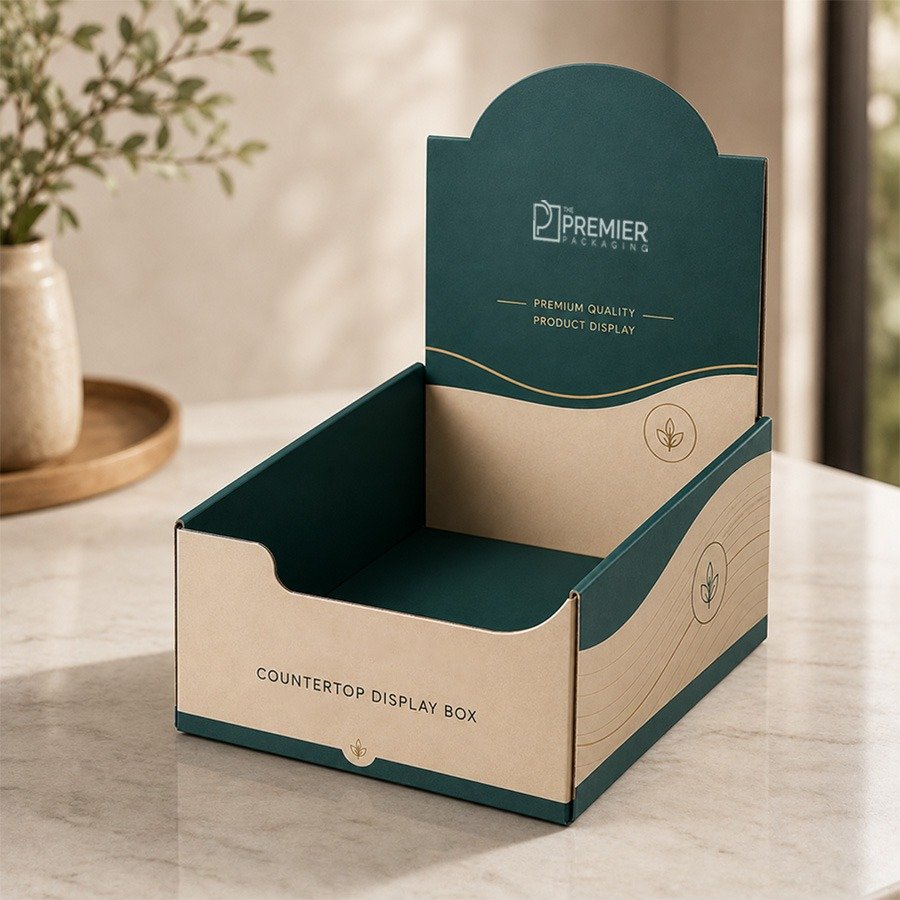
Visibility is the next piece, though it works a little differently here than with a big floor display. Since this thing is sitting so close to the customer already, it doesn’t need to shout. A bit of color contrast, maybe a small window so people can actually see the product, a clean design – that’s usually plenty. Going overboard on the visuals can actually backfire a little, since what you really want is fast, easy recognition, not some elaborate showpiece.
Restocking matters too, and it’s easy to overlook. Cashiers are busy people. If refilling the display is a hassle, it’s just not going to happen consistently, and an empty display is worthless no matter how good the design is. Simple setups that don’t need tools and can be topped off in a few seconds tend to hold up a lot better over weeks and months.
Materials That Can Actually Take a Beating
These things get handled constantly – staff refilling them, customers picking items up and setting them back down, sometimes kids who just can’t leave anything alone. So sturdier materials matter more than people expect going into it. Corrugated cardboard with decent thickness holds up fine for lighter products. Heavier items usually need reinforced structures; otherwise, the whole thing starts sagging after a couple of weeks.
Finish quality matters here too, even at this small scale, maybe more than you’d think. A cheap, flimsy-looking display sitting right at the register can actually do damage to how a brand comes across, since it’s about the last thing a customer sees before the transaction wraps up. A little gloss, a clean print job, solid construction – none of it has to cost much, but it does need to look like someone actually thought about it.
Product Information Overview
| Feature | Description |
| Product Type | Counter display units for point-of-sale marketing |
| Common Materials | Corrugated cardboard, kraft paper, reinforced cardstock |
| Typical Sizes | Compact, countertop-friendly footprint |
| Customization Options | Size, shape, print design, branding, window cutouts |
| Printing Techniques | Digital printing, offset printing, spot UV |
| Finishing Options | Matte, gloss, laminated, foil accents |
| Ideal Products | Small items, impulse buys, add-on purchases |
| Assembly Type | Tool-free, quick to set up and restock |
| Best Placement | Checkout counters, register areas, service desks |
| Lead Time | Typically 1 to 2 weeks depending on order size |
Getting Design and Placement Right
Placement is honestly at least half the battle here. Stick a display in some dead corner of the counter, and it won’t matter how good it looks; nobody’s going to notice it. It needs to sit somewhere customers naturally glance while they’re standing around waiting – not in the cashier’s way, but close enough that it catches their eye during those few idle seconds before they pay.
Working with someone who actually understands how a checkout counter operates, not just how to make a display look nice on paper, makes a real difference here. That’s something The Premier Packaging tends to focus on – building units that don’t just look good but are sized and shaped to actually fit into the daily flow of a busy register.
Worth Setting One Up?
For most small, cheap products, yeah, pretty clearly worth it. Producing a basic counter unit doesn’t cost much compared to what it can pull in through impulse buys over time. Even a small bump in add-on purchases per transaction adds up quickly once you’re talking hundreds or thousands of customers a month. And unlike most marketing spend, it’s not a one-off push either. A decent display just keeps working, day after day, as long as it’s sitting there.
Final Thoughts
Counter displays don’t get talked about nearly enough in retail marketing circles, but they’re quietly doing real work in that last little stretch before checkout. Nail the sizing, keep it easy to restock, make it look like it belongs there instead of like an afterthought, and put it somewhere people will actually see it – do that, and you end up with one of the more reliably profitable pieces of packaging a brand can put money into. Small footprint, surprisingly solid return. For brands willing to put a little thought into it, that handful of feet right before the register might end up being some of the best retail real estate they’ve got.
Frequently Asked Questions
What’s a counter display actually for?
It’s a small display placed near a checkout counter meant to catch customers while they’re waiting to pay and nudge them toward one more, unplanned purchase.
How big should one of these be?
Small enough that it doesn’t get in the cashier’s way or slow down the checkout process, while still being obvious enough for a waiting customer to notice.
What kind of products work best here?
Small, cheap items mostly – snacks, travel-size stuff, little accessories, things people weren’t planning to buy but will grab without much thought.
What are these usually made of?
Corrugated cardboard covers most cases. Heavier products call for something reinforced so the display doesn’t start sagging after a few weeks of use.
How long does a custom order usually take?
Most run somewhere between one and two weeks, depending on how complex the design is and how busy the supplier is at the time.
Do these actually move sales numbers, or is it overrated?
When they’re placed well and kept stocked, yes, they genuinely do. They consistently pull in extra impulse purchases that just wouldn’t happen otherwise.