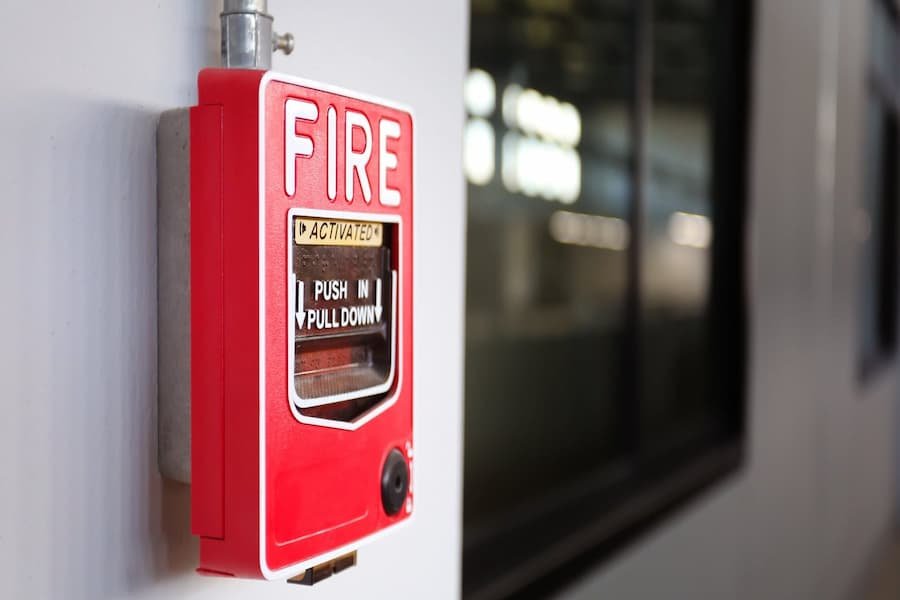
Fire safety is not something companies can approach lightly. A small fire can spread quickly and endanger workers, guests, belongings, and operations. Fire alarms provide early warning and are a vital part of a larger fire safety plan. Companies looking for commercial fire alarm Manchester solutions can profit from systems based on their structure, use, and safety needs. A well-installed and maintained alarm system helps companies respond faster, encourage evacuation, and meet applicable fire safety requirements.
Offers An Early Warning Signal
The most crucial job of a fire alarm is to promptly detect signs of fire. The system may be set off by heat, smoke, or another warning sign. Once activated, alarms inside the building alert occupants. Early alerts give the people inside more time to get out safely. It can also enable employees to follow emergency plans before a small event turns into a big fire. In larger buildings, this matters even more. Far from the origin of a fire, individuals might not see smoke right away. An efficient alarm system ensures messages reach people throughout the property.
Helps With Evacuation Plans
Every office needs to have a well-defined evacuation strategy. Fire alarms help implement that procedure. Employees should know where to go and which exits to use when an alarm sounds. Companies should provide clear directions and designated gathering locations. The alarm signals everyone to begin the evacuation process. Staff development is also crucial. Employees ought to know what various alarm signals signify and what they ought to do upon hearing one. Regular practice can help people respond calmly. Familiarity can help during a real emergency.
Support Fire Safety Obligations
Businesses have a duty to protect people from fire hazards. These tasks include assessing fire risks, providing appropriate safety precautions, and maintaining emergency systems. These actions can include installing fire alarms. But installing an alarm alone doesn’t automatically bring a building into compliance. The method has to fit the property and its hazards. Companies should consider factors like building size, layout, occupancy, operating hours, and the types of events held inside.
Needs Constant Testing
Only if it works correctly is a fire alarm valuable. Therefore, fire safety depends much on frequent testing and upkeep. Companies should follow a sensible testing plan. While qualified experts should handle more thorough maintenance, staff should know how to perform daily checks where appropriate.
Testing helps highlight problems, including broken cables, low batteries, malfunctioning detectors, or controller panel issues. Maintain documentation of maintenance and inspections. This data can help prove that the company prioritises fire safety. Regular care also helps reduce the likelihood of finding a fault during a crisis.
Include Various Fields
Not every element of a structure carries the same fire risk. An appropriate alarm system should match the building’s layout and use. Offices, warehouses, kitchens, workshops, hallways, storage rooms, and plant spaces may require different approaches. The system should provide appropriate detection and warning in relevant areas.
Businesses should also consider people who may need more help evacuating. Because visitors and construction workers might not know the building plan, clear warnings are especially critical. A well-designed system enables good coverage without relying on a single alarm point.
Cuts False Alarms
False alarms can cause big issues. Often, unwanted activations can cause workers to stop taking alarms seriously. The right tools and setup help reduce this risk. Certain settings, for instance, could generate steam, dust, smoke, or other situations that compromise detection tools. The alarm plan should consider these factors. Regular maintenance also helps prevent unnecessary problems. Companies should investigate repeated false alarms instead of simply ignoring them. Every activation should be taken seriously until the cause is known. Reliable discovery keeps the fire safety system’s confidence intact.
Safeguards Assets And People
While fire alarms offer benefits beyond meeting legal requirements, compliance is crucial. An operational alarm can help keep staff, guests, clients, equipment, inventory, and structures safe. Early detection also gives emergency personnel more time to respond before a fire causes major damage.
Companies should pair alarms with other safety precautions. These include fire doors, emergency lighting, fire extinguishers, regular risk assessments, staff training, and clear escape routes. Fire safety works best as a complete system. One of the most essential components of that system, a trustworthy alarm gives people the warning they need to move.
Conclusion
In terms of office fire safety, fire alarms are essential. They provide early warning, support evacuation, and support a company’s broader fire prevention plans. But installation by itself is insufficient. Companies should have appropriate equipment, proper placement, regular testing, professional maintenance, and clear emergency plans.
Visit Mangabat for more informative blogs.