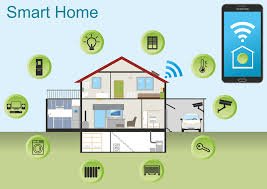
Smart homes have moved from futuristic concepts to practical realities, offering homeowners unprecedented convenience, efficiency, and control. At the core of these innovations is smart home electrical installation—the process of integrating devices, wiring, and systems to enable automation, remote control, and seamless interaction. Understanding how these installations work is essential for anyone considering a smart home setup, whether for new construction or retrofitting an existing property.
Smart home electrical installations encompass a wide range of components, from lighting and climate control to security systems and entertainment. Each element must be carefully designed and integrated to ensure functionality, safety, and scalability. Proper planning and professional installation allow homeowners to enjoy the full benefits of smart technology while minimizing potential issues such as compatibility problems, overloads, or connectivity disruptions.
Understanding Smart Home Systems
Smart home systems are designed to provide centralized control over various household functions. This includes lighting, heating and cooling, security cameras, door locks, appliances, and even irrigation systems. The goal is to automate tasks, improve energy efficiency, enhance safety, and allow remote management via smartphones, tablets, or voice assistants.
Electrical installations for smart homes go beyond simply wiring devices to power sources. They involve connecting devices to networks, ensuring adequate power distribution, and sometimes integrating sensors and control hubs. A well-planned system creates a cohesive environment where devices communicate seamlessly and respond reliably to user commands.
Electrical Requirements for Smart Devices
Smart devices typically have different electrical needs compared to traditional appliances. Many require low-voltage wiring, dedicated circuits, or specific outlets to function correctly. Understanding these requirements is essential to prevent overloading existing circuits and ensure the devices operate safely.
For example, smart lighting often uses low-voltage wiring or requires dimmer-compatible circuits. Smart thermostats and HVAC controls may need both power and data connections. Security systems and cameras often rely on Power over Ethernet (PoE) or dedicated power sources. Ensuring that the electrical infrastructure accommodates these needs is a crucial part of smart home installation.
Wiring and Circuit Considerations
Proper wiring is fundamental to any smart home installation. Electrical circuits must be designed to handle the cumulative load of both traditional and smart devices. This may involve adding new circuits, upgrading panels, or using specialized wiring like CAT5/CAT6 for data connectivity.
Professional installers assess the existing electrical system, plan circuit layouts, and ensure compliance with safety codes. They may install dedicated lines for high-demand devices, integrate surge protection, and balance loads across circuits. Correct wiring not only enhances safety but also improves the reliability and responsiveness of smart devices.
Integration with Home Automation Hubs
Many smart homes rely on a central hub or controller to coordinate devices. These hubs serve as the brain of the system, managing communication, automations, and remote access. Electrical installation involves connecting the hub to power sources, network connections, and compatible devices throughout the home.
Integration with a hub allows homeowners to automate routines, such as turning off lights when no one is home, adjusting thermostat settings based on occupancy, or locking doors remotely. Proper electrical planning ensures that the hub and devices maintain consistent power and connectivity, which is critical for seamless operation.
Lighting Automation
Lighting is one of the most common aspects of smart home automation. Electrical installation for smart lighting includes wiring for dimmers, sensors, and smart switches, as well as ensuring compatibility with mobile apps or voice assistants. Advanced systems may also integrate color-changing or programmable LED lighting, requiring additional control modules.
Smart lighting installations often involve both power and data lines to enable real-time control, scheduling, and automation. Proper placement of switches, sensors, and control devices ensures that lighting functions efficiently, enhances ambiance, and contributes to energy savings.
Security and Surveillance Systems
Smart security systems are a key component of modern home automation. Electrical installations for these systems include wiring for cameras, motion sensors, door and window contacts, alarm panels, and control hubs. Power requirements vary depending on the device, with some cameras using low-voltage DC power or PoE connections.
Proper installation ensures that security systems are reliable, tamper-resistant, and integrated with other smart home devices. For example, a motion sensor can trigger lighting or send alerts to a smartphone. Electrical planning must accommodate these integrations while maintaining safe, code-compliant circuits.
Energy Management and Efficiency
Smart home installations often include energy management features such as smart thermostats, smart plugs, and automated appliances. Electrical wiring and circuit design must support these devices without exceeding load capacity. Integrating energy-efficient devices also reduces utility costs and minimizes the environmental impact of the home.
Monitoring energy consumption requires both reliable electrical infrastructure and compatible sensors. Electrical installations can include dedicated circuits for high-consumption devices and connections to smart meters or energy monitoring hubs, enabling homeowners to track and optimize usage.
Safety Considerations
Safety is paramount in smart home electrical installations. Overloaded circuits, improperly grounded wiring, and incompatible devices can pose significant hazards. Professional installation ensures compliance with electrical codes, proper grounding, surge protection, and safe integration of all devices.
Additionally, electrical planning should consider redundancy and backup power solutions for critical systems like security and HVAC controls. Ensuring safety protects not only the devices but also the home and its occupants, making thorough installation essential.
Conclusion
Smart home electrical installations transform ordinary homes into connected, efficient, and convenient living spaces. From lighting and climate control to security systems and energy management, each component requires careful planning, proper wiring, and integration with automation hubs. Understanding the electrical requirements, circuit capacity, and safety considerations ensures reliable operation and long-term satisfaction.
By approaching smart home installation methodically and involving professional expertise when necessary, homeowners can enjoy the benefits of automation, energy efficiency, and enhanced security without compromising safety or functionality. Properly installed electrical systems form the foundation of a truly smart home, supporting technology that adapts seamlessly to lifestyle needs.