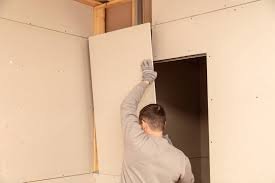
Drywall installation is a fundamental step in the construction or renovation of interior spaces. It creates the smooth wall and ceiling surfaces that define the visual structure of a home. While drywall panels themselves may appear simple, installing them properly requires precision, planning, and experience. The way drywall is measured, cut, secured, and finished directly influences the overall appearance and durability of interior walls.
Many homeowners underestimate how much the quality of drywall installation affects other aspects of the interior. Paint finishes, lighting reflections, and even the perceived symmetry of a room depend on well-installed drywall. Professional drywall installation ensures that walls and ceilings not only look refined but also remain structurally sound for years to come.
Precision and Consistency in Wall Surfaces
One of the most noticeable advantages of professional drywall installation is the level of precision achieved throughout the process. Experienced installers understand how to measure and position panels so that seams align correctly and structural supports are used effectively. This attention to detail results in smooth, uniform surfaces that enhance the appearance of every room.
Consistency is particularly important in areas where light hits walls at certain angles. Uneven surfaces, poorly aligned seams, or visible screw marks can become obvious once lighting fixtures or natural sunlight illuminate the space. Professional drywall installers work carefully to create a seamless finish, ensuring the walls maintain a clean and consistent appearance throughout the home.
Stronger Structural Support for Walls and Ceilings
Drywall contributes more to a building’s structure than many people realize. When installed correctly, it adds rigidity to the framing system and helps maintain the alignment of walls and ceilings. Professionals know how to secure drywall panels properly so they remain stable and resistant to shifting over time.
Improper installation can lead to loose panels, sagging ceilings, or weakened connections between drywall and framing. These issues may not be visible immediately but can develop gradually as the building settles. Professional installation minimizes these risks by ensuring the drywall is securely fastened and evenly supported across the entire structure.
Smooth Finishes That Enhance Interior Design
The visual impact of drywall becomes most apparent once finishing work begins. After installation, drywall must be taped, coated with joint compound, sanded, and smoothed to create a flawless surface. Professional installers have the experience needed to complete these steps in a way that produces a polished finish.
A smooth drywall surface forms the foundation for high-quality painting and interior décor. When walls are properly prepared, paint adheres evenly and reflects light consistently. This preparation becomes particularly important before working with an interior painting professional, as well-installed drywall ensures the paint finish appears clean, refined, and visually balanced throughout the space.
Reduced Risk of Future Cracks and Imperfections
Another significant benefit of professional drywall installation is the reduced likelihood of cracks and surface imperfections developing later. Drywall panels expand and contract slightly with changes in temperature and humidity. Skilled installers understand how to account for this natural movement during installation.
Correct spacing, fastening techniques, and joint finishing methods all contribute to long-term durability. When these elements are handled properly, drywall seams remain intact and surfaces maintain their smooth appearance. This prevents common issues such as visible seams, hairline cracks, or joint separation that can occur when drywall is installed incorrectly.
Improved Efficiency During Construction
Professional drywall installers bring efficiency to construction or renovation projects. Their experience allows them to work quickly without sacrificing accuracy, helping projects move forward according to schedule. Efficient drywall installation ensures that subsequent steps—such as painting, flooring, and trim work—can proceed without delays.
Time efficiency is particularly valuable in larger renovation projects where multiple trades must coordinate their work. Properly installed drywall allows contractors to transition smoothly into finishing stages, reducing the likelihood of scheduling conflicts or unexpected setbacks.
Enhanced Acoustic and Insulation Performance
Drywall also plays a role in controlling sound transmission and supporting insulation within walls. When installed correctly, it helps create a barrier that reduces noise between rooms and improves the comfort of interior spaces. Professionals understand how to seal joints and position panels to maximize these benefits.
In addition to sound control, drywall contributes to maintaining consistent indoor temperatures. Proper installation ensures that insulation materials remain securely positioned within the wall cavities. This improves the overall energy efficiency of the building while maintaining a comfortable indoor environment.
A Better Foundation for Decorative Finishes
Interior finishes such as paint, wallpaper, and decorative wall treatments rely on a perfectly prepared surface. Even small imperfections in drywall can become visible once decorative finishes are applied. Professional installers ensure that drywall surfaces are properly leveled and finished before any aesthetic work begins.
When homeowners plan to hire a House painter, professionally installed drywall helps guarantee that the final results appear smooth and visually consistent. Paint colors look richer and more uniform when applied to a properly prepared surface, allowing the overall design of the room to stand out.
Long-Term Durability and Maintenance Benefits
Professional drywall installation also contributes to the long-term durability of interior walls. Properly installed panels are less likely to develop sagging, cracking, or other structural issues over time. This durability reduces the need for frequent repairs and helps maintain the integrity of interior spaces.
Well-installed drywall also simplifies future maintenance and renovations. When surfaces remain smooth and stable, repainting or updating interior décor becomes easier. Homeowners can refresh their living spaces without needing extensive wall repairs, making long-term upkeep more convenient.
Conclusion
Professional drywall installation plays a critical role in shaping the quality and durability of interior spaces. From creating smooth, consistent surfaces to strengthening the structural stability of walls and ceilings, skilled installation ensures that drywall performs its intended function effectively. Every stage of the process—from panel placement to finishing—contributes to the final appearance and reliability of the interior environment.
Beyond its structural benefits, professionally installed drywall also supports the success of other finishing elements, including painting and decorative design. When drywall is installed with precision and expertise, it provides the perfect foundation for interior improvements while maintaining the strength and visual appeal of the home for many years.