Introduction
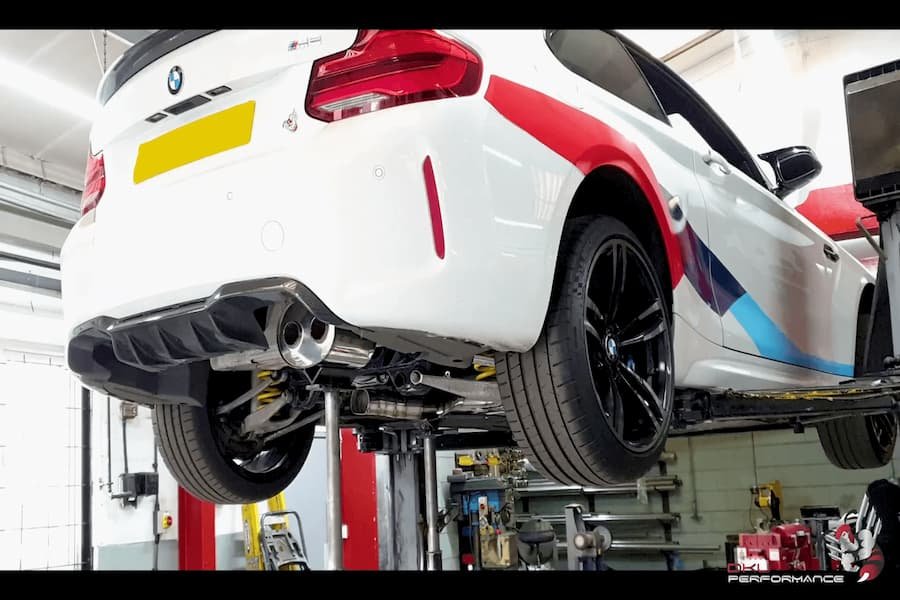
The BMW M2 is known for its strong performance, responsive handling, and distinctive engine character. For many owners, however, improving the exhaust sound is an important part of making the driving experience more enjoyable. The right exhaust modifications can create a deeper, sportier, and more pronounced note without necessarily making the car unpleasant to drive. Choosing suitable components requires consideration of the engine, existing exhaust system, driving habits, noise levels, and legal requirements. A carefully planned approach can help enhance the M2’s character while maintaining reliability and everyday usability.
Understand the Existing Exhaust System
Before making changes, it is useful to understand how the BMW M2 exhaust system produces its sound. The system contains several components that influence volume, tone, resonance, and exhaust flow.
The standard system is designed to provide a balance between performance, comfort, emissions compliance, and noise control. Changing one component can therefore affect the overall character of the car. Understanding the existing setup helps you decide whether you need a subtle improvement or a more noticeable change.
Consider a Cat-Back Exhaust
A cat-back exhaust replaces sections of the exhaust system behind the catalytic components. It is one of the most common ways to change the sound of a performance car.
Depending on the design, a cat-back system can produce a deeper and more aggressive exhaust note. Different systems may also offer different levels of refinement, allowing owners to select a sound that suits their preferences. Choosing a well-engineered system can help maintain reasonable cabin comfort while giving the car a stronger presence.
Explore Sports Exhaust Options
Performance exhaust systems are available in various designs and materials. Stainless steel is popular because it offers durability and corrosion resistance, while titanium systems can provide weight savings and a distinctive appearance.
The design of silencers, pipes, valves, and resonators can significantly influence the final sound. Some systems are designed to remain relatively quiet during normal driving while becoming louder under acceleration. This can be particularly useful for an M2 that is used both on the road and for enthusiastic driving.
Use Valve-Controlled Systems
Valve-controlled exhaust systems can provide greater control over the car’s sound. Depending on the system, valves can alter the exhaust route and therefore change the volume and tone.
A quieter setting can be useful for residential areas, motorway journeys, or everyday driving, while a more open setting can provide a louder and more dramatic sound during spirited driving. This flexibility can make a performance exhaust easier to live with.
Consider Resonators Carefully
Resonators play an important role in controlling unwanted frequencies within an exhaust system. Removing or changing them can make the exhaust louder, but it may also introduce an unpleasant drone inside the cabin.
For an M2 used regularly, excessive drone can quickly become tiring. A quality exhaust design should aim to improve the sound without creating constant low-frequency noise during cruising. This is why replacing components as part of a carefully matched system can be preferable to simply removing sound-control equipment.
Think About the Desired Sound
Before choosing an exhaust, decide what type of sound you want. Some owners prefer a deep and refined tone, while others want a sharper, louder motorsport-inspired character.
Consider how the car is normally driven. A system that sounds exciting during a short performance drive may become irritating if the vehicle is used for long journeys every week. Listening to recordings, visiting reputable specialists, and hearing different systems in person can help you make a more informed decision.
Avoid Excessive Modifications
More noise does not always mean a better exhaust sound. Excessively loud systems can produce harsh tones, cabin drone, or unwanted resonance.
Extreme modifications may also create issues with neighbours, road legality, emissions requirements, or insurance. A balanced system that produces a clean and controlled tone is often more satisfying than simply making the car as loud as possible.
Choose a Reputable Specialist
Professional installation is important when modifying a performance vehicle. An experienced exhaust specialist can assess the existing system, recommend suitable components, and ensure everything is fitted securely.
A reputable specialist should also understand the relevant UK requirements and explain how modifications may affect noise, emissions, vehicle compliance, and insurance. This can help prevent expensive problems later.
Maintain the Exhaust System
Regular inspection is essential after installing an aftermarket exhaust. Check for loose fittings, damaged mounts, corrosion, leaks, and unusual vibrations.
Exhaust leaks can affect sound quality and may create safety concerns. Keeping the system properly maintained ensures that the intended exhaust note remains consistent and helps protect other components from unnecessary damage.
Conclusion
Improving the sound of a BMW M2 involves finding the right balance between character, performance, comfort, and legality. Cat-back systems, valve-controlled exhausts, carefully designed silencers, and suitable resonators can all influence the vehicle’s sound. Rather than choosing the loudest available option, consider the tone you want and how you use the car every day. Professional installation, regular maintenance, and attention to legal requirements can help ensure that your BMW M2 sounds more exciting while remaining practical and enjoyable on the road.
Visit Mangabat for more informative blogs.